
Group Soup
Sharing the pot to obliterate a pattern

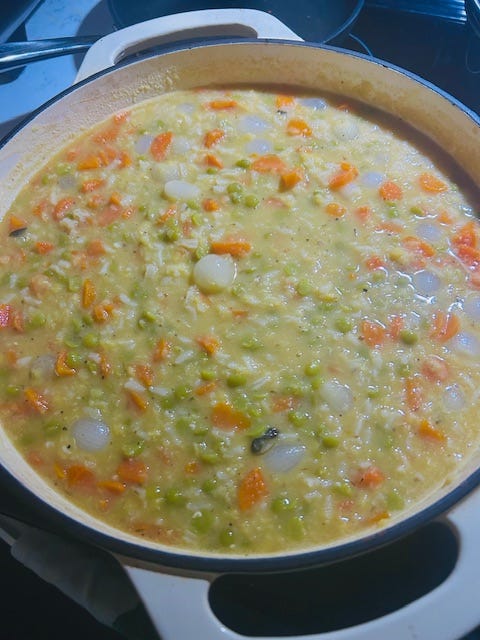
I make a pot of soup on average of once a week – sometimes more often. Not only are the tasks involved therapeutic, I’ve grown to love the unmatched flavor of a hand-rendered bowl, whether it’s tomato-chevre, a lemony Avgolemono, or a vegetable-laden lentil.
There was a time when only gloppy canned soup would do. Starch and salt-centric, condensed soup was my salvation that I’d sneak after school. Because my parents harbored a much-ballyhooed hope that one day I’d lose weight and at last look like the model daughter they longed for (or at least one who didn’t embarrass them), eating in between meals was forbidden.
This was a Catch-22 if there ever was one: underfeed a growing kid and what you get is not the outcome of svelteness, but a bewildered youth perpetually in a state of semi-starvation who seeks, out of basic instinct, to mitigate the nourishment deficit.
Snack preparation was a frantic, covert undertaking with heart racing as I slam-emptied a can of cream of chicken into a saucepan, dialed the burner up to medium-high, and counted the seconds while spinning the whisk as quietly as possible. If the heat was too high, I ran the risk of the soup – an emotional lifeline – tasting like scorched earth. But if I had to abort mission because one of my parents were approaching, well, there’s nothing more insipid than cold soup.
Most of the time, I was able to maneuver the operation to completion, hurriedly splashing the pale-orange processed soup into a family-sized salad bowl, then rinsing and storing away the saucepan so there’d be no evidence in the sink. Later, I would tiptoe the empty soup can out to our garage trash barrel. Previously, I naively tossed an empty soup can into our kitchen trash, only to be subjected to a degrading Q&A session by my parents upon discovery, as if I’d been hauled into the downtown precinct on a felony charge. Lesson learned: what I was doing was wrong, perhaps even terrible. Hide evidence at all costs.
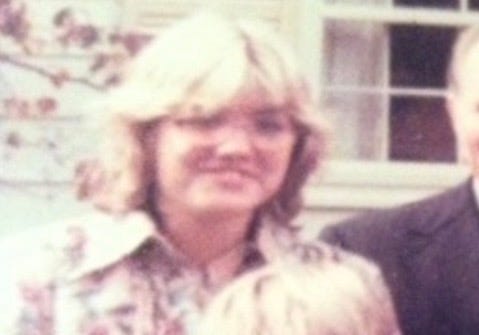
Once I’d scrubbed the kitchen of all proof of food consumption, it was up to my room for a clandestine gulp. Ingesting was a blur, and even though the soup filled my stomach, I was always left in a cloud of melancholy.
The next chapter of my strained relationship with food included nearly two decades of calculated revenge-eating, which began in earnest once I had my driver’s license. It was a necessary step in reclaiming autonomy, but the nagging feeling of unfulfillment didn’t disappear as I’d hoped it would.
So, I began to seek wholeness in a completely different arena: by devouring self-help books and 12-step meetings. There, I explored the virgin territory of self-acceptance. Incrementally, I began trusting myself. As it turned out, my judgement and instincts were sound after all, despite the original programming from authority.
When this new condemnation-free perspective began to inform the way I eat, it was anything but a forced, heavy-handed mandate. The evolution was natural and occurred through a confluence of monthly Gourmet magazines (supplied lovingly by my Godmother’s yearly birthday subscriptions), a few compelling cooking shows on PBS, and simple curiosity. And paradoxically, it was through this newfound door of acceptance that shame eventually left the building.
The budding alliance was further solidified during my tenure at a daily newspaper, where I delved head-first into interviewing chefs, grandmothers, and entrepreneurs in my quest to embrace food in a healthy, out-in-the-open way. Eventually, I wrote cookbooks. My first two contained a number of soup recipes, including a dairy-free version of New England Clam Chowder, Cream of Mushroom, Corn Chowder, and a legacy Jewish Penicillin recipe (chicken soup) courtesy of Bill’s father and his Ashkenazi ancestry.
Three days ago, I made a double batch of split lentil soup, using a bag each of green and red lentils. As is a common kitchen practice, I augmented the lentils with what was available, which turned out to be a few cups of leftover Jasmine rice, a jar of cocktail onions and a bag of carrots, which I peeled and diced (a favorite form of meditative focus). Then came the chicken bone broth – an ingredient that’s immutable, and some might say, overused. But I remain insistent on reconstituting rice, lentils, and pasta with bone broth for a more protein-centric nutritional base.
This all takes time, which bothers me not a bit – I love every minute of it. No hiding, rushing, or sweating in anticipatory shame. Just quiet dedication and peaceful focus. Every pot of soup created is a step further away from my old life. And instead of hoarding the goods away in my room, I’m prone to sharing nowadays.
It was a recent act of kindness that inspired this double-batched project when a friend surprised me with a quart of her homemade soup after we returned home from a five-day road trip. She knew our cupboards would be on the bare side and that we’d be exhausted (she was right) so she gifted us with some much-appreciated homemade TLC.
I paid it forward by dropping a jar of my latest creation off to my mother, who’s not so fond of cooking these days. And jars for two friends in their 80s, who light up when they see me coming with occasional food deliveries. When Bill asked if I’d thought of a title for my latest creation, without hesitation, I answered, “Group Soup.”
At its highest purpose, food is an expression of love, and eating is meant to be worry-free. It took me time and considerable trial-and-error to realize that, but now, I can relax around food. No more hiding it, misusing it, or cursing its tempting existence. Nothing is bad or off-limits. But I also take a few moments to discern what I really want – and this includes a vote from my body – not just my mind, which is still subject to restless anxiety and nagging dissatisfaction.
On the challenging days, I accept when life isn’t what I’d like to be, acknowledging the reality that I’m not satisfied. This kind of honesty is the most viable form of insurance against trance-eating I’ve ever come across. Tricks and distractions don’t cut it; whether it’s the recitation of positive affirmations or a bucket of fried chicken that ultimately proves not to be a rescue. It really is as simple as wading through the emotional muck without wishing it away.
It’s been a significant transformational journey from those jittery sessions at the stove as a teenager. My odyssey’s meaning and context transcend physical alterations (translation: weight loss). Even though our appearance-obsessed society insists it’s still the ultimate metric, I know for a fact it’s not.
Love not only heals, it morphs and reshapes wounding at an intangible level. Mysterious? Yes. But still undeniably real.

The first part was very sad to me, but I’m glad you were able to overcome,
❤️🩹👏🏻❤️
Please share a recipe sometime, Stacey. After the early days of canned soup, l imagine your homemade soups are bursting with flavor.